 LookPlan
LookPlan Team
Hairstyles for Oval Faces: How to Choose Your Next Look
Compare bobs, long layers, curtain bangs, pixies and curly shapes for an oval face, with practical questions about texture, length and upkeep.
Start with the Look You Want to Change
You can like the length of your hair and still be tired of its shape. A fringe or a few shorter pieces around your face may be enough of a change. Or you may be ready for a much shorter cut.
An oval face is usually described as longer than wide, with softly rounded contours, as in Zenni's face-shape guide. If you're unsure about yours, Lookplan's free face-shape reference gives you an approximate starting point. The label leaves plenty to decide: how much length to keep, whether you want bangs and how you like to wear your hair day to day.
Six Hairstyles to Put on Your Shortlist
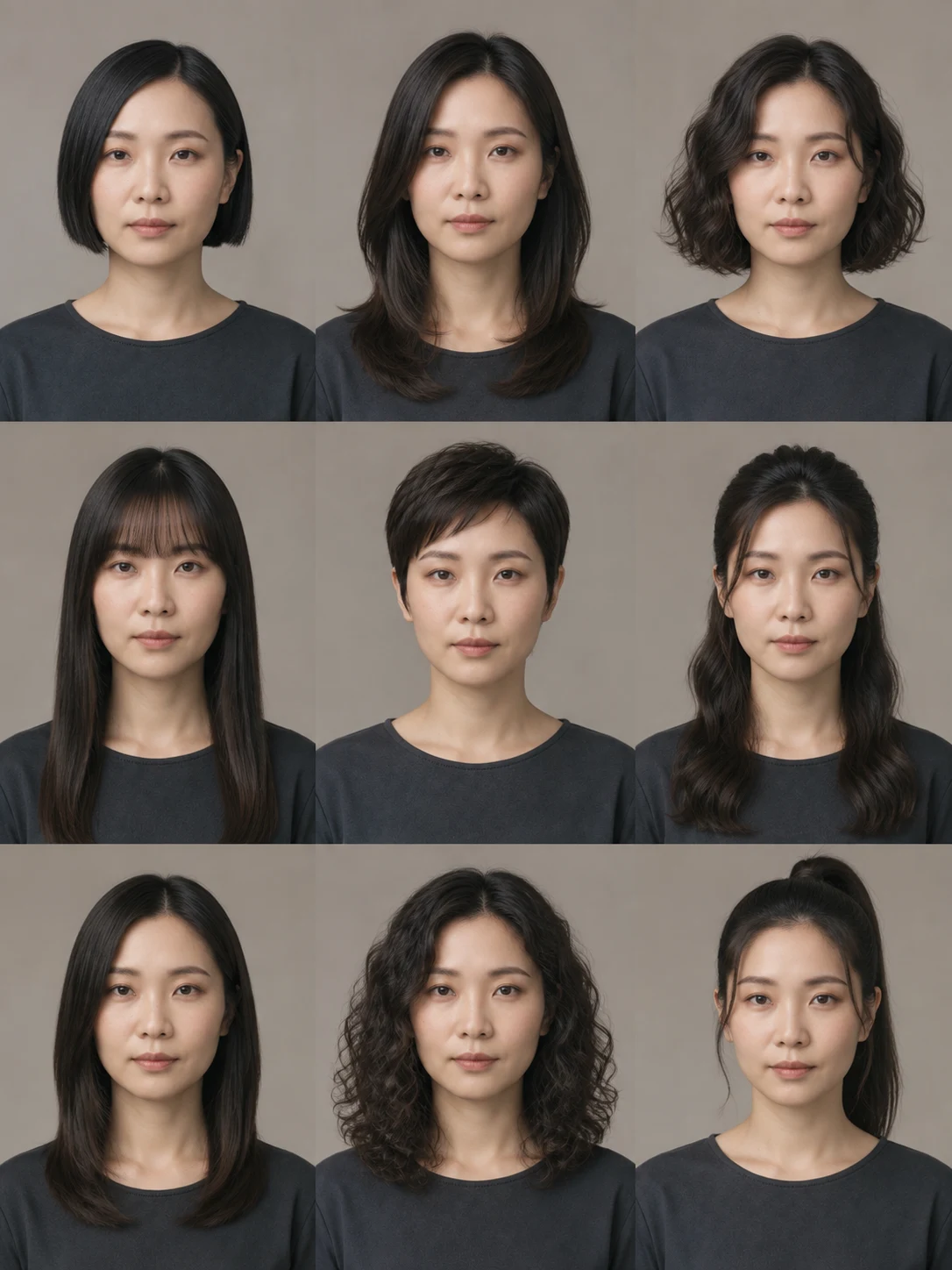
AI-generated hairstyle examples from Lookplan's public samples. Compare the length, fringe and fullness in the pictures as you read through the cuts below.
1. A jaw-length bob for a clear outline
A bob that ends around the jaw gives your hair a distinct lower edge. For a blunt finish, save a reference that shows the ends clearly. Hershesons includes a blunt bob among its suggestions for oval faces; the exact length is something to settle with your stylist once they've seen how your hair falls when dry.
If you need to tie all of it back, say so before you cut it that short.
2. A collarbone-length lob for a longer frame
If a jaw-length bob feels too short, a lob gives you more length to work with. For a collarbone-length version, compare a straight finish with soft waves. Pay attention to the shape at the sides as well as where the ends sit.
The front pieces deserve a look of their own. You may love them loose and still want them to stay in a ponytail. Show your stylist both the reference and where you usually tie your hair.
3. Long layers when you want to keep length
Long layers let you keep length while changing how the hair falls, as in Hershesons' example of soft long layers. Look closely at the shorter pieces around the face. Do you like them ending near the cheek, the jaw, or below the chin?
If you feel your face looks long with your current style, compare a picture with more fullness at the sides to one with a sleeker outline. See which shape you actually like.
With fine hair, “add lots of layers” can leave an important question unanswered: how full do you want the ends to stay? Sam Villa's fine-hair guidance discusses keeping density at the ends while adding layers. Tell your stylist if that fullness is something you want to keep.
4. Curtain bangs to change the forehead frame
Curtain bangs part around the middle and get longer toward the sides. The length of the center pieces makes a noticeable difference: a shorter center covers more of the forehead, while a longer fringe leaves it more open. A soft curtain fringe is another of Hershesons' suggestions for oval faces.
Your usual part matters here. If you have a cowlick at the front, mention it before deciding on the length; natural parts and growth patterns are part of planning a fringe. Bring a photo of how your hair sits on an ordinary day and talk through how you'd style the fringe at home.
5. A pixie when you want to show more of your face
A pixie can look quite different depending on the fringe and the length left on top. Great Clips' guide describes the usual short back and sides with a longer top, including versions with long or short bangs. When you save a picture, notice whether it's the exposed ears, the fringe or the shape on top that appeals to you.
Talk through how you'd style it in the morning and how often you'd want to have it reshaped. If you think you might grow it longer again, ask what that would involve, too.
6. A shaped curly cut with fullness where you want it
With curls or coils, look at the whole outline. You might like a rounded shape with fullness at the sides, or prefer to keep more length around the face. Choose a reference where you can see that shape clearly, then point out where you want the volume to sit.
Judge the length when the hair is dry. Curls can spring up as they dry, and different areas can have different curl patterns, as Sam Villa's curly-cut guidance explains. Let your stylist see how yours behaves with your usual routine before settling on where to cut.
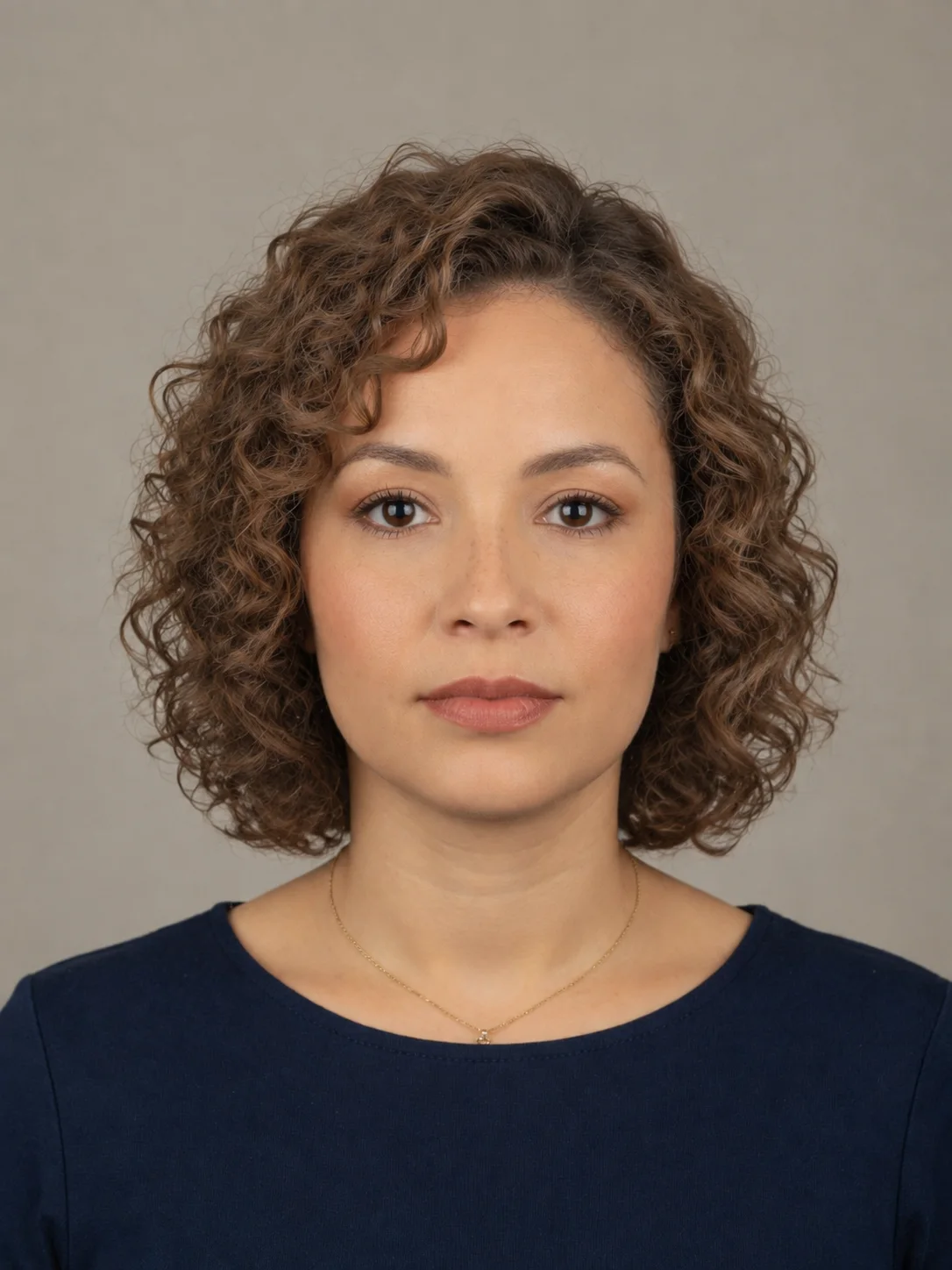
This curly bob is an AI preview from Lookplan's public hairstyle sample report. The report includes the source photo and discusses the changes to length, parting and color.
Narrow the Choices Around Your Hair and Routine
| Your priority | Directions to compare | Question to resolve before a cut |
|---|---|---|
| A clear shorter edge | Jaw-length bob or a slightly longer bob | Where will the ends sit when my hair dries naturally? |
| Keep more length | Collarbone lob or long layers | Which front pieces will still tuck or tie back? |
| Change the frame without losing overall length | Curtain bangs or longer face-framing pieces | How will my part and growth pattern affect daily styling? |
| Show more of the face | Pixie or a short bob tucked behind the ears | Do I like the open frame, and what reshaping will it need? |
| Work with curls or coils | Shorter rounded shape or a longer shaped cut | Where will dry fullness sit, and what routine keeps that shape? |
Take your routine into the conversation. “I usually let it air-dry” or “I tie it back most days” tells your stylist something a polished reference photo can't. If the look you like has a blowout or carefully shaped waves, find out what you'd need to do at home to get that finish.
Compare a Few Directions on Your Own Photo
If you're torn between a couple of cuts, Lookplan's AI hairstyle simulator lets you preview hairstyles on your photo. Explore generates nine looks; Customize creates one preview with a report. You can describe what you'd like to keep or change.
The public hairstyle samples show general examples of the generated results. When you look through your own previews, check the length and fringe separately, since a result may change both at once.
Save the picture you like and bring it to your stylist with a note such as “I like this length, but the front pieces still need to reach my ponytail.” Your stylist can then talk through how that shape would work with your actual hair and the way you wear it.